
Memory and Retrospective Happiness
The ReaderMichael’s recollections repeatedly revise the meaning of his youthful happiness without making the past either wholly false or safely resolved.
increasing Bearing strength in each event
 decreasing
Bearing strength in each eventdecreasingA Happiness Questioned
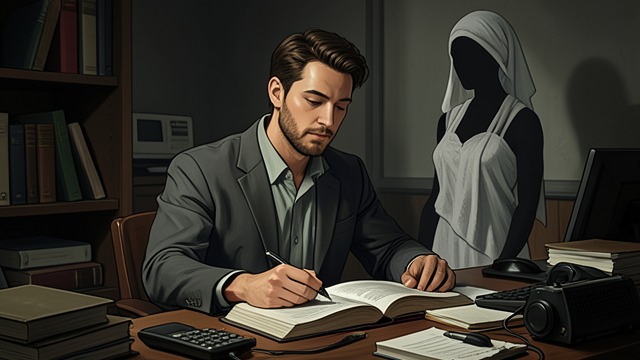
Memory Under Revision
The Happy Weeks
Michael remembers the weeks with Hanna as joyful, full of reading and intimacy. Yet knowledge of her past crimes makes the memory seem to shatter in hindsight.
What Happiness Promised
He wonders whether remembered happiness depended on a promise that life could not keep. The question concerns not only what happened but the expectations he attached to it as a teenager.
The Images of Hanna
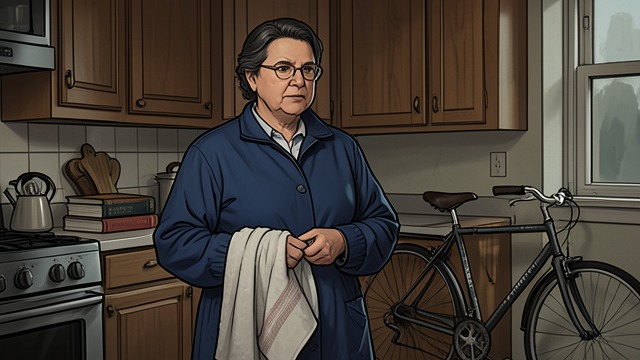
A Private Gallery
Repeated Scenes
Michael preserves images of Hanna putting on stockings, holding a towel, riding her bicycle, and studying his father’s books. The scenes remain vivid even during long periods when he does not consciously think of them.
Memory as Projection
He can replay the images but cannot guarantee that they are complete or accurate. Remembering becomes a way of keeping Hanna present while also transforming her into selected scenes.
The Courtroom Double
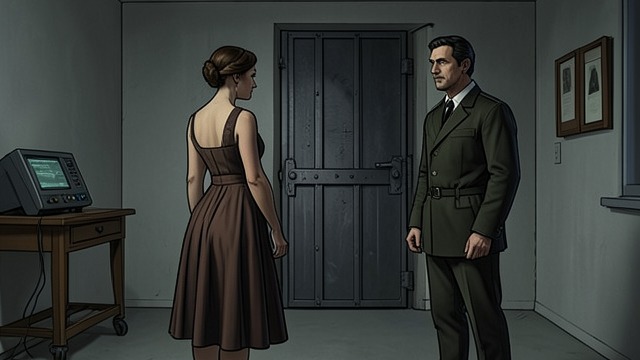
Two Women in One Memory
The Defendant and the Lover
Michael sees Hanna’s rigid posture in court and recalls her body from their intimate life. The remembered details arrive like files rather than feelings, separated from the person who once desired her.
Images That Merge
As the trial proceeds, images of Hanna in the camps begin to overlay the domestic scenes. His imagination supplies vivid pictures but also risks replacing the difficult historical reality with clichés.
The Autumn Journey
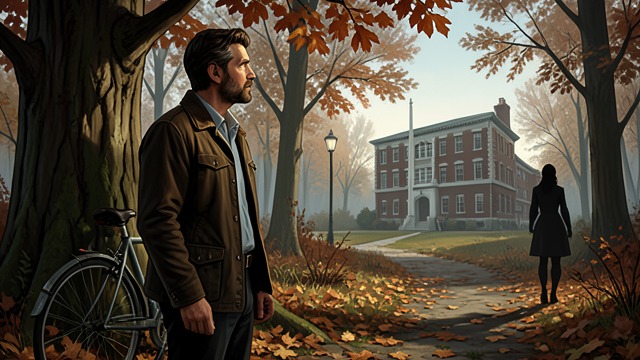
Longing Without Its Object
An Imagined Home
Seeing autumn woods, Michael imagines living with Hanna in a country house. In the fantasy she is older, more at ease, and moving through an ordinary domestic life.
Desire Reinterpreted
He wakes knowing that Hanna is dead and that his longing is not truly for her as she was. It is a desire to come home, attached to a person who cannot provide that home.
The Story Written
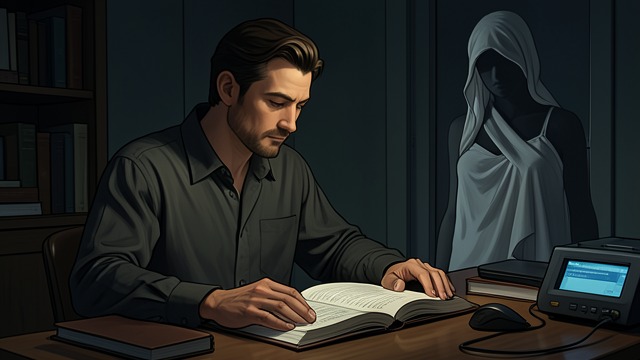
A Narrative Chosen
Many Versions
Michael has rehearsed their story repeatedly in his mind, each version carrying different images and strands of thought. He cannot prove that the written account is the only possible one.
Truth Through Telling
He believes the written version is the one that wanted to be written. The story no longer feels simply sad or happy; its value lies in its truth to the way his life has been shaped.
Michael’s adult reflections on the weeks after his illness
During the years after Hanna leaves
During Hanna’s trial
On the train to New York, ten years after Hanna’s death
Ten years after Hanna’s death
